
Shona Stone Sculptures
A Roy Cook and Broomhill Collection
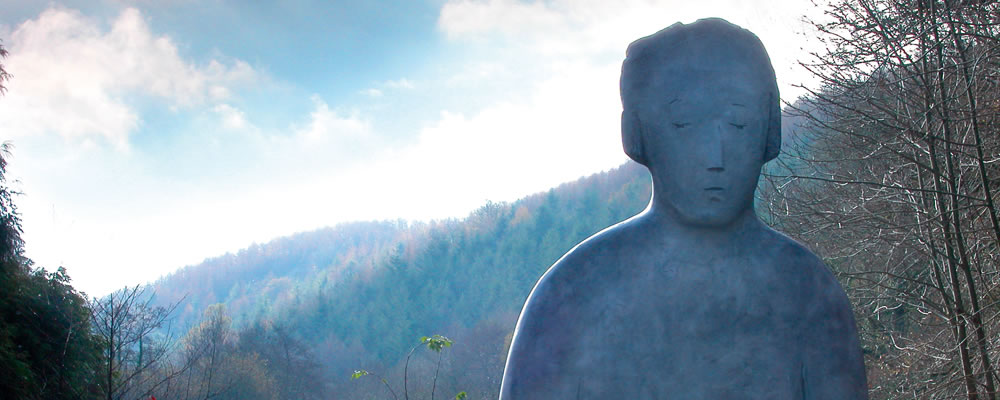
Stone or ‘Shona’ sculpture is the art that most represents the people of Zimbabwe. ‘Zimbabwe’ means ‘great stone house’. The exuberance of the work, the vast varieties of stone, and the great skill and imagination of the sculptors has led to many years of major exhibitions worldwide; which have been greeted by extraordinary critical acclaim.
Zimbabwean stone sculpture, despite the political and social upheavals across the country, remains a truly contemporary force, combining successfully with an ancient cultural heritage. The art is direct, powerfully human and is often extremely beautiful.
Methods and Material
For the modern Shona sculptors, much like their forebearers, an essential part of the sculpting process is enabling the spirit or spirits residing in the stone to be released into a more recognizable form. Thus, the sculptors, most of whom live in rural areas of the eastern portion of the country, search through the thousands of acres of stones for one that ‘speaks’ to them.
Then, using simple, traditional hatchets and chisels, they set to work on their sculptures. The elaborate, yet time honored, process that can take many months to complete includes extensive sanding and rubbing, heating alongside an open wood fire, covering with many layers of wax, and polishing and buffing.
Meaning
Although the specific subjects of the individual sculptures are as varied and numerous as the actual number of sculptures themselves, there are several important themes that keep recurring. One of these is the family, since the family, both natural and extended, plays such an important part in the Shona culture.
A second theme is homage to the various spirits that play such a central role. Some of the sculptures feature ancestors, who impart knowledge, wisdom, and culture to those currently living, or tribal chieftains and elders, always held in high esteem. Another common theme is the activity of daily life—working, dancing, thinking, resting, or being at peace.
Finally, some sculptures represent the transformation of animals or birds into human form or the reverse, since such metamorphosis is an important part of the Shona cultural cosmos. However, regardless of the theme or the specific subject, the content or meaning of a sculpture almost invariably derives from the individual artist’s sense of meaning that emanates from the stone itself.
Roy Cook:
“The art of today’s Africa comes out of its environment. Shona sculpture, and other forms of contemporary African artistic expression, are a response to this new, changing Africa. Such art is not ‘primitive’. It is contemporary. It is not purely tribal in the manner of Africa’s traditional art. The Shona sculptors may well be influenced by their culture, beliefs and environment, but they are just as much individuals in terms of their creativity and ability as are their Western counterparts. To understand and appreciate Shona sculpture requires more than just knowing its Shona or tribal origin. The works of Nicholas Mukomberanwa, Henry Munyaradzi, Damian Manhuwa or Norbert Shamuyarira, for example, are very distinctive in style. Each is a Shona but their personal backgrounds and life experiences are as different as is their art.”
Roy Cook
Follow us